Brampton food safety and professional sanitation experts help you keep dining establishments, commissaries, baking facilities, warehouses, and food service vehicles clean to code. They sanitize high-touch points, food preparation areas, equipment, floors, drains, restrooms, and food prep areas using certified sanitizers, correct dilution, and verified exposure periods. in maintaining dining venues, commissaries, baking operations, warehouses, and mobile food operations to code. They disinfect frequently touched areas, food preparation zones, equipment, floors, drains, restrooms, and prep areas with approved chemicals, correct concentration, and recorded contact times.
Key Takeaways
- Brampton's food safety cleaning professionals support restaurants, grocery departments, commissaries, warehouses, bakeries, schools, mobile vendors, and allergen-sensitive operations.
- High-touch surfaces, food-contact equipment, kitchens, floors, drains, restrooms, and storage areas are cleaned using zone-based workflows to avoid cross-contamination.
- Proper chemical concentration, suitability, and contact time are validated by approved specialists, with completion filed via swabs, assessments, and correction logs.
- Optimal maintenance plans factor in threat, production rate, switches, spills, and standards when distributing regular, recurring, and seasonal operations by zone.
- Opt for vendors with HACCP, sanitation, competency, WHMIS, instruction, insurance, references, colour-coded instruments, and inspection-ready hygiene files.
Which Brampton Facilities Need Food Safety Cleaning?
Food safety cleaning is necessary for any Brampton facility that processes, stores, prepares, packages, or serves food. Apply it to your establishment if it falls within public health review, food regulations, or HACCP protocols. This includes restaurants, cafeterias, commissaries, grocery food departments, butcher shops, seafood counters, convenience stores, and institutional kitchens.
Compliant food safety cleaning proves required in supply warehouses, processing plants, freezer locations, commercial bakeries, school food programs, reception facilities, and food delivery centers. Portable temporary ventures count too, such as catering vehicles, festival vendors, and pop-up establishments. Your facility needs written cleaning standards when your workers process ingredients, portion ready-to-eat items, reheat products, or store allergens. In Brampton, hygiene is not voluntary; it forms part of lawful, operational, and customer protection standards.
What Services Do Brampton Cleaning Experts Provide?
You need cleaning experts who sanitize high-touch surfaces, kitchens, floor surfaces, and restrooms to comply with food safety and health regulations. They focus on these spaces because they present the highest risk for contamination spread, slipping risks, and hygiene violations.
Knowing their service areas allows you to confirm your facility's cleaning meets required standards and regulations.
Sanitizing High-Touch Surfaces
Brampton cleaning teams highlight high-touch surface sterilization given the potential of harmful microorganisms and food matter transmitting across the location. You require a documented schedule for sterilizing entry points, contact surfaces, control panels, railings, shared devices, registers, and cold storage handles. Using contact point analysis, professionals identify every commonly touched point and establish cleaning frequency
Preventing secondary contamination by changing wipes, implementing directional cleaning patterns, and organizing sanitization equipment according to zone confirms your disinfection plan remains verifiable, defensible, and inspection-ready.
Food Prep Areas, Flooring, and Sanitary Facilities
Brampton cleaning professionals will handle kitchens, floors, and restrooms since each space presents different hygiene concerns, injury, and public health challenges. In industrial kitchens, you need degreasing on cook lines, equipment exteriors, drains, prep surfaces, and splash zones to minimize contamination and pest pressure.
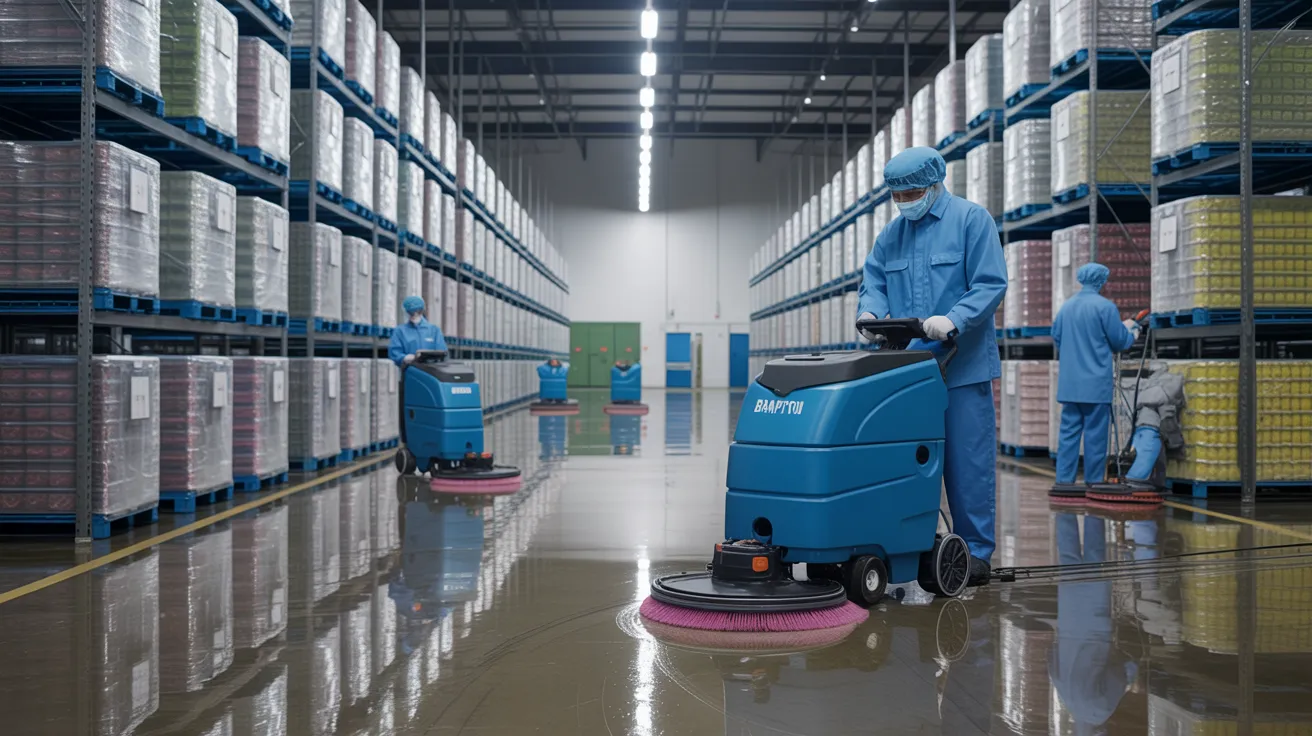
Floor care that is recorded should equally be anticipated. Technicians scrub and extract buildup from grout, tile, and vinyl flooring, then apply correct drying techniques so you can limit falls and meet regulatory standards. They also address entryways where moisture and debris migrate indoors.
In restrooms, cleaners disinfect contact surfaces, bathroom hardware, partition walls, accessory dispensers, and receptacles then refill supplies and eliminate odor. They also maintain restaurant cleaning supply rooms where product storage, sink cleanliness, and drain systems impact daily sanitation standards and worker protection.
Why Food Safety Cleaning Matters in Brampton
Brampton businesses need to implement food-safe cleaning standards for satisfying health code requirements and passing inspections. You also reduce cross-contamination by cleaning and sanitizing food-contact surfaces, equipment, and comprehensive article high-touch areas correctly. Most importantly, you safeguard community wellness by reducing the chance of food poisoning in your establishment.
Health Code Compliance
Because Brampton food businesses operate under stringent health requirements, food safety cleaning directly influences your capability to fulfill health code requirements, safeguard customers, and sidestep enforcement action. You must maintain hygienic food handling zones, recorded sanitation plans, appropriate product handling, and verifiable staff procedures that align with municipal and provincial inspection expectations.
Proper sanitation supports allergen control by decreasing residue on joint machinery and regularly touched locations.
Cross-Contamination Prevention
Adhering to regulatory guidelines requires your skill in preventing cross-contamination throughout daily food handling and cleaning. You need to isolate uncooked items from finished products, clean prep surfaces between tasks, and keep chemicals away from food-contact items. Structured procedures reduce transfer risks and maintain ongoing regulatory adherence.
Implementing allergen separation helps ensure major allergens don't touch shared surfaces, containers, or equipment. Deploy dedicated cutting boards, color-coded tools, and clear tool marking so workers don't combine products while preparing or distributing. Require handwashing after handling raw meat, seafood, eggs, or allergen-containing products. Replace wiping cloths regularly, and verify sanitizer strength with test strips. When you train staff to follow these controls every shift, you establish a more hygienic, safer workplace that satisfies Brampton's food safety needs regularly.
Public Health Protection
Should food safety cleaning collapse, you don't simply encounter inspection problems—you increase the potential of foodborne illness impacting customers, staff, and the wider Brampton population. You also weaken your role in protecting public health, especially in high-traffic food premises where pathogens travel quickly through surfaces, equipment, and touchpoints.
You need sanitation procedures that eliminate contaminants, sanitize correctly, and confirm effectiveness. That means following contact times, using approved disinfectants, documenting schedules, and training staff to meet regulatory standards. These measures facilitate disease prevention by lowering microbial loads before they contaminate surfaces or food. In Brampton, strong sanitation shields at-risk groups, limits outbreak potential, and helps you demonstrate proper care. When you maintain proper standards, you exceed basic requirements—you substantially decrease danger and promote secure food handling throughout the region.
Why Is Cleaning Essential for Food Safety Compliance?
Adopting strict sanitation practices underpins food safety compliance by lowering contamination exposure, preventing pathogen multiplication, and keeping your facility aligned with sanitation requirements under HACCP-based programs and public health regulations. You confirm that contact surfaces remain visibly clean and microbiologically controlled, supporting documented preventive controls and inspection readiness.
Conscientious cleaning further enhances allergen management by eliminating residues that can lead to undeclared allergen exposure. When you match verified sanitation methods with standards training, your staff can implement consistent approaches, use approved chemicals correctly, fill out documentation properly, and manage irregularities prior to issues intensify. Systematic cleaning promotes traceability, confirms remediation efforts, and demonstrates due diligence in audits. Furthermore, it aids you preserve product safety, maintain compliance standards, and lower the chances of enforcement actions, product recalls, customer complaints, and unnecessary health hazards.
What's the Best Time to Plan Commercial Cleaning?
You'll achieve the best results from cleaning routines that account for risk levels, output volume, and legal mandates rather than a unchanging calendar system alone.
handled independently
Finding Quality Brampton Cleaning Experts: A Guide
Start by screening providers against food-safe sanitation requirements, not price alone. You should verify that each company understands CFIA, public health, and HACCP compliance standards relevant to your facility. Ask for proof of insurance, WHMIS compliance, documented staff training, and supervision practices. Review whether technicians understand contamination prevention, chemical handling, and traceable sanitation records.
You should further examine operational reliability and answerability. Request testimonials from Brampton food businesses, then review response times, corrective action plans, and communication standards. Validate the company facilitates supplier audits and can present inspection-ready documentation to regulators or external parties. Confirm equipment is maintained, colour-coded tools are used appropriately, and site-specific hazards are recognized. A experienced service ensures regulatory compliance, product integrity, and your brand reputation.
What's covered in a sanitation cleaning strategy?
Create a documented strategy that makes clear every sanitation responsibility, standard, and task prior to production start. You should detail cleaning schedules, authorized chemicals, concentration levels, contact duration, implements, and validation techniques for each zone, surface, and piece of equipment. Include pre-operational inspections, corrective actions, and employee training requirements.
Your program should also address cross-contamination controls, waste handling, pest-prevention measures, and documented schedules for bathrooms, drainage systems, surfaces, and food-preparation zones. Detail how you'll keep raw and prepared foods apart, support ingredient tracking, and maintain accurate allergen labeling through validated cleaning between product changes. You should assign accountability, maintain signed records, and compare results against regulatory standards, HACCP controls, and customer requirements. When gaps appear, revise procedures immediately and retrain staff.
Popular Asked Inquiries
Can cleaning services support overnight shifts in Brampton facilities?
Yes, you can book sanitation coverage to support overnight shifts in Brampton facilities. You'll organize overnight sanitation around operational windows, access requirements, and personnel needs. Providers generally create overnight logistics to reduce interruption, stay compliant, and track completed work. You should confirm arrival schedules, supervision, access procedures, and waste management before starting service.
Can Brampton cleaning experts manage hazardous incidents?
Yes, you can expect Brampton cleaning experts who offer hazard containment services. They handle contamination, evaluate dangers, isolate affected areas, and start rapid decontamination to reduce exposure and avoid operational disruption. You should confirm response times, training certifications, PPE protocols, and waste management. If your facility must meet regulatory requirements, select a service that records events, maintains regulatory procedures, and supports audit readiness.
Do green disinfectants operate safely on surfaces contacting food?
Absolutely, plant-based sanitizers prove to be safe for food-contact surfaces when you choose products labeled food safe and regulatory compliant. You must verify contact duration, dilution ratios, and rinse procedures ahead of deployment. Plant based formulas minimize chemical burden, though you require confirmation of performance against relevant pathogens. For keeping surfaces residue-free, implement manufacturer instructions exactly and validate your cleaning agent adheres to relevant food safety standards.
Can sanitation programs be customized for seasonal production changes?
Without question, sanitation programs customize readily for seasonal shifts. Revise frequencies, staffing, cleaning agents, and validation steps to match seasonal workflows while preserving regulatory requirements. Reduce operational delays by organizing disinfection surrounding line changes, high demand periods, and usage cycles. Additionally update SSOPs, instruction programs, and environmental monitoring to address periodic risks, novel allergens, or increased soil loads. Periodic assessments keep the strategy functional.
Are commercial cleaners providing employee instruction on sanitation best practices?
Certainly, commercial cleaners train your staff on sanitation best practices. You obtain staff training on proper chemical use, processing times, cross-contamination prevention, machine disassembly, and documentation. They generally coordinate instruction with HACCP, GMP, and CFIA or regional health bodies standards. Many execute health assessments to check standards, identify gaps, and reinforce corrective actions. This helps you maintain consistent procedures, satisfy audits, and minimize foodborne pathogen risks daily.
Final Thoughts
Partnering with Brampton food safety and commercial cleaning experts goes beyond tidying—it ensures your facility stays inspection-compliant and your standards are defensible. From processing facilities to kitchens, each cleaned area and organized section lessens contamination risk and prevents major expenses. By arranging service on appropriate schedules and implementing a thorough cleaning program, you shield your workforce, clients, and your image. In a tightly controlled market, clean environments are non-negotiable—they're critical to business success.